-(600-600,-)-(280-80,-)-(280-40,-)-(280-80,-)-(460-111,-)-(1).webp?w=460&h=111)
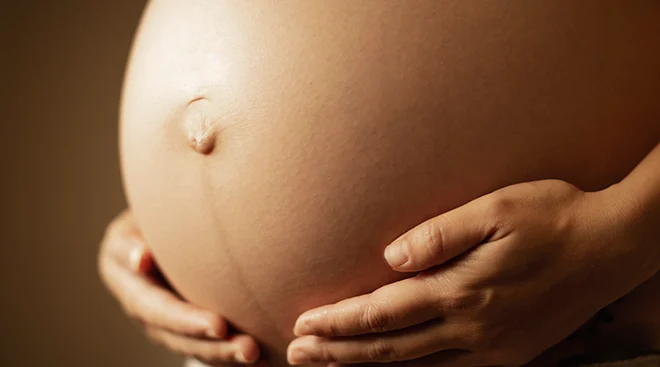
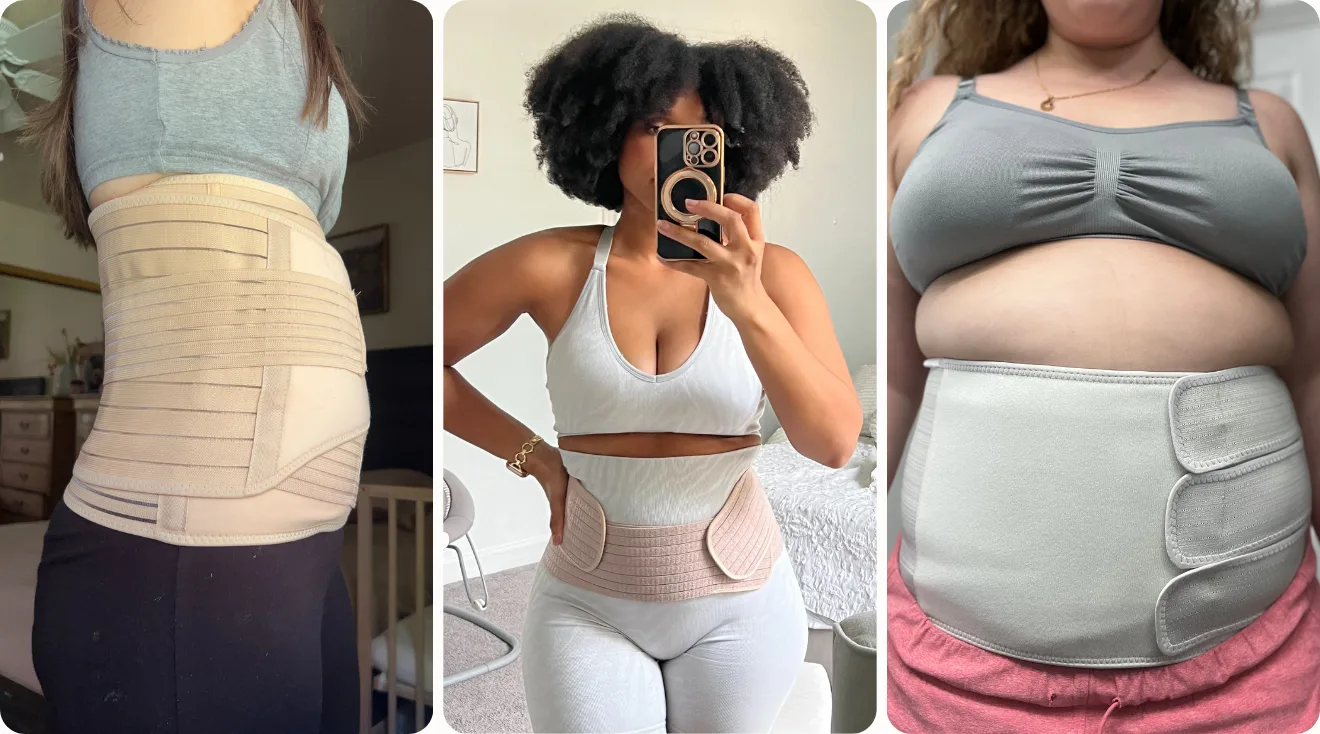
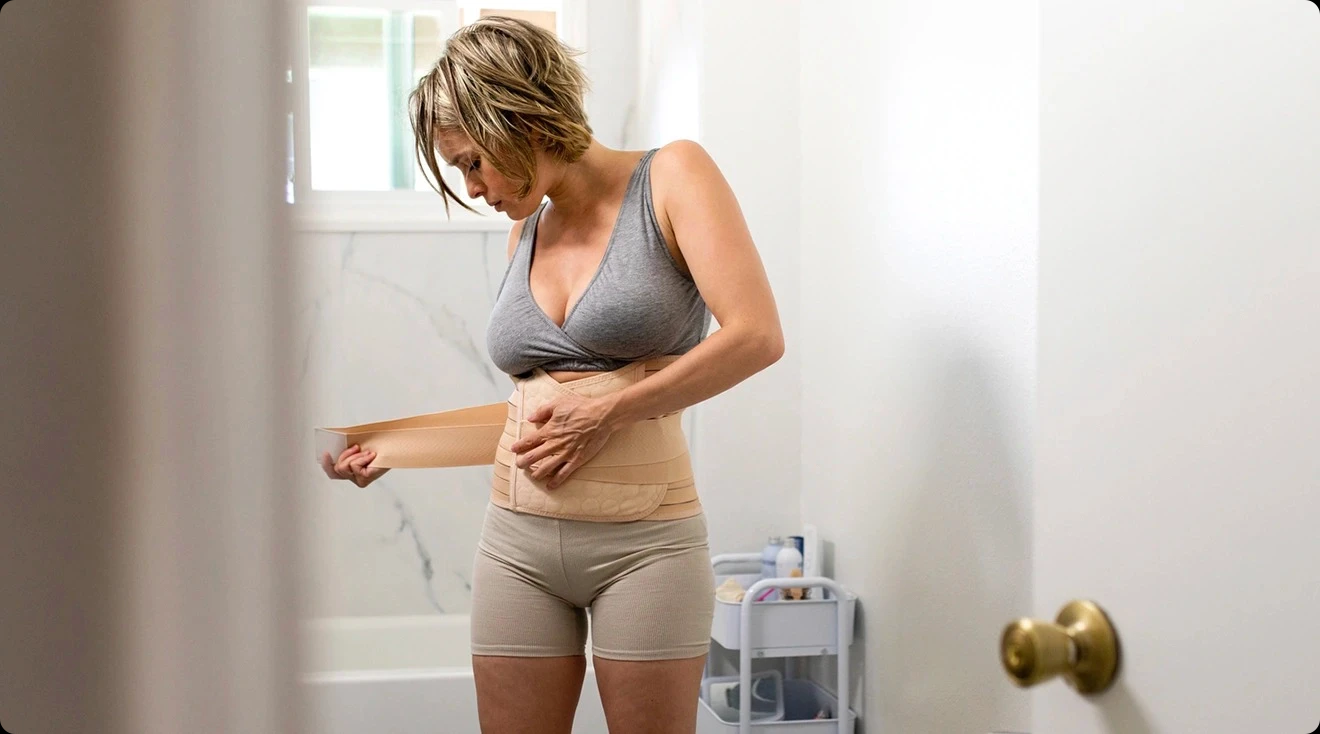
It’s certainly not breaking news to say that your body goes through massive changes during pregnancy. It’s a miraculous, life-giving transformation for sure, but it can be a difficult one—physically and mentally—nonetheless. The reshuffling of internal organs, the too-tight skin stretching, and that ever-expanding bump can make you feel less than physically comfortable (and less than physically attractive).
The literal growing pains of pregnancy can be downright consuming. What’s more, for someone with body image issues or body dysmorphia, seeing an evolving reflection in the mirror can weigh heavily on their mind. So what exactly is body dysmorphia in pregnancy, and who is most likely to experience it?
What Is Body Dysmorphia in Pregnancy?
Body dysmorphia—or body dysmorphic disorder—is a mental health condition that causes someone to fixate on perceived flaws in their physical appearance, explains Charlie Nicely, MHC, a psychotherapist and wellness coach. It can be related to weight, but it can also be tied to other physical attributes. This unrelenting preoccupation can occur during pregnancy, as the body you once knew and loved (or maybe never really loved) changes right before your eyes.
Who Is at Risk for Body Dysmorphia in Pregnancy?
Of course, waking up to see you’ve suddenly sprouted a bump, you have varicose veins down your legs and your bra size is now a double-D can be shocking (or exciting! or appalling!) for any newly pregnant person. While some people may absolutely relish in their changing bodies, others feel less than enthused about the noticeable shift.
Seek out therapy
Body dysmorphia symptoms may be omnipresent in your life—or they might just sneak up on you. If you’re feeling depressed or anxious, or are experiencing negative thoughts about yourself and your body, therapy can help. “The first suggestion is to seek out a skilled therapist who has experience navigating these challenges and who you feel you can be yourself with,” says Nicely. “In my work with clients, we work towards developing the skill set of self-compassion.”
Stop with the comparisons
“It’s natural to compare—welcome to [parenthood]! You can choose to participate in the constant comparison game or to have your own vision,” says Lyons. “Have acceptance of your journey, name your own values and criteria for success and identify how you want to feel.” With that in mind, know that social media is a breeding ground for unhealthy expectations. No two pregnancies are alike—and no two bodies are completely the same either.
Connect with your partner
When you have negative feelings about your body, your gut reaction may be to internalize these feelings. What’s more, you may shun physical and emotional connection from your partner. (When you don’t like something about your body, it’s hard to see why someone else might love it.) But Lyons says that this experience can actually make your relationship stronger. “This journey can bring a couple closer if you’re consciously communicating, exploring what it would take to trust and asking questions to understand what is needed to feel supported and safe,” she says.
Continue to show yourself grace
Body image issues don’t just disappear the second you have a baby. The postpartum period is another phase of physical and emotional transition. Your breasts may swell and leak, your tummy may staunchly remain and stretch marks can continue to plague you. You need to give yourself plenty of time and show yourself lots of kindness.