-(600-600,-)-(280-80,-)-(280-40,-)-(280-80,-)-(460-111,-)-(1).webp?w=460&h=111)

Choosing the right underwear, particularly a well-fitting bra, is crucial for comfort and support, but does not impact breast cancer risk. The primary effects of bra choices relate to musculoskeletal support, skin health, and circulation.

Breast cancer myths vs. facts
For decades, myths have circulated claiming that underwire bras cause breast cancer by restricting lymphatic drainage. Research from major health organizations, including the Canadian Cancer Society and BreastCancer.org, has thoroughly debunked this idea. A 2014 study of over 1,500 women found no link between breast cancer risk and any aspect of bra-wearing, including cup size or the number of hours a bra was worn.
The primary factors influencing breast cancer risk are genetics, lifestyle, and environmental factors—not underwear.
How bra choices affect breast health
While not a cancer risk, poor underwear choices can cause pain, irritation, and other issues.
Ill-fitting bras
- Musculoskeletal pain: Bras that are too tight or don't offer enough support can cause back, neck, and shoulder pain. The added strain is especially common for women with larger breasts.
- Skin irritation: Overly tight bras can rub against the skin, leading to chafing, rashes, and irritation. When a bra restricts proper airflow, it can also trap sweat and moisture, potentially leading to fungal infections.
- Impaired circulation: A bra that leaves deep red marks on your skin may be compressing the chest and restricting blood flow. This can lead to tingling and numbness in your arms and hands.
- Obstructed lymphatic flow: A properly fitting bra will not obstruct the lymphatic system. However, excessive, long-term pressure from a chronically tight bra could potentially impede the normal flow of lymphatic fluid, which helps remove waste from the body.
Fabric choice
- Breathability: Bras made from natural, breathable fabrics like cotton or bamboo can help keep skin dry and comfortable. This reduces the risk of skin irritations and infections, especially in warm or humid climates.
- Moisture-wicking: For workouts, a moisture-wicking sports bra is a good choice to help draw sweat away from the skin.
Bra type
- Wireless bras: For daily wear, many women find wireless or seamless bras more comfortable, as they avoid the digging and pinching that can come from underwires.
- Sports bras: For high-impact activities, a proper sports bra is necessary to minimize breast movement and prevent strain on breast ligaments. Wearing a regular bra or no bra during exercise can contribute to sagging over time.
- Going braless: Taking a break from wearing a bra, particularly at night, can improve comfort, reduce skin irritation, and may benefit circulation.
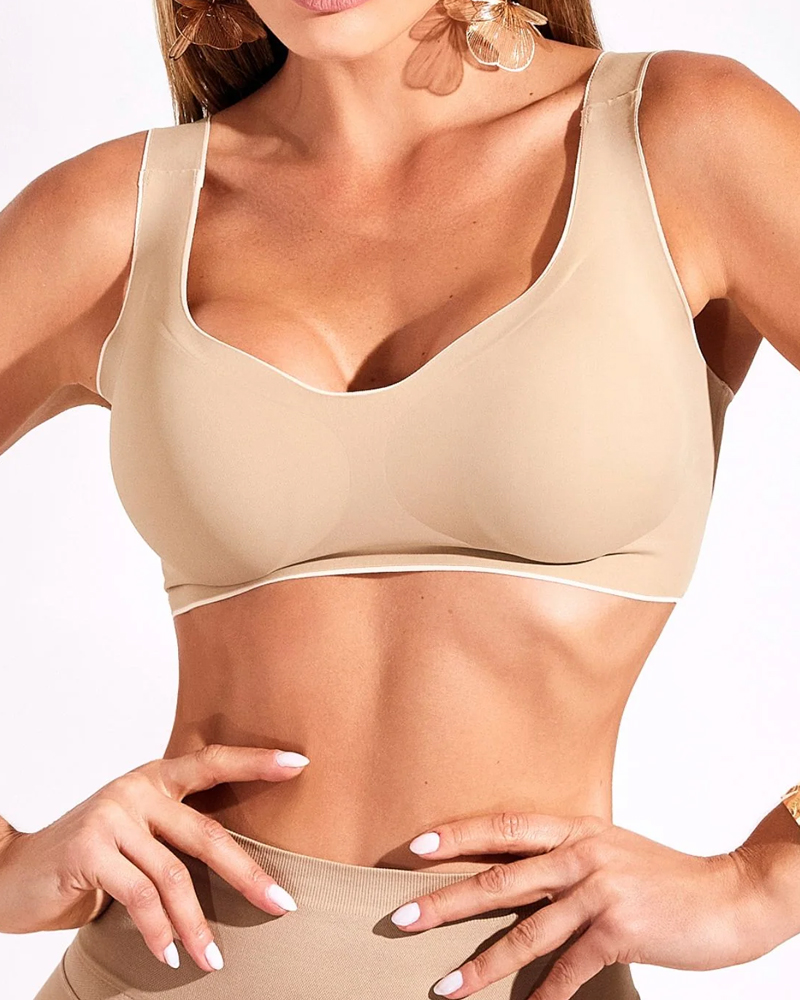
Tips for choosing a breast-healthy bra
- Get a professional fitting: Many women wear the wrong bra size. A professional fitting can help you find your correct size and prevent the issues that come with an ill-fitting bra.
- Prioritize comfort: A well-fitting bra should not cause pain, digging, or rubbing. Your bra band should lie flat and parallel to the ground without digging into your skin.
- Select the right style for the activity: Choose a sports bra for exercise and a wireless or seamless style for more relaxed wear.
- Give yourself a break: Consider taking off your bra in the evening or at night to let your skin breathe.