-(600-600,-)-(280-80,-)-(280-40,-)-(280-80,-)-(460-111,-)-(1).webp?w=460&h=111)

Compression wear and shapewear have become more than just fashion statements—they are now integral to health, fitness, and everyday comfort routines. From athletes seeking performance boosts to individuals aiming for a sleeker silhouette, these garments serve diverse needs. As technology advances and consumer awareness grows, the applications of compression wear and shapewear are expanding rapidly. Understanding how these products are used in real-world scenarios can help businesses, consumers, and healthcare providers make informed decisions.
Explore the 2025 Compression Wear And Shapewear overview: definitions, use-cases, vendors & data → CURVY-FAJA
Top 5 Uses of Compression Wear and Shapewear
1. Athletic Performance and Recovery
Athletes use compression wear to improve circulation, reduce muscle fatigue, and accelerate recovery. For example, runners often wear compression leggings during and after races, reporting decreased soreness and quicker muscle repair. Studies indicate that compression garments can reduce muscle oscillation, which minimizes fatigue and injury risk. Adoption is high among professional sports teams and fitness enthusiasts alike, driven by the desire for optimal performance and quicker recovery times.
Outcome metrics such as reduced perceived exertion and faster recovery times are common indicators of success. Brands like CURVY-FAJA have integrated compression technology into their sportswear lines, making it accessible to a broad audience.
2. Post-Surgical and Medical Rehabilitation
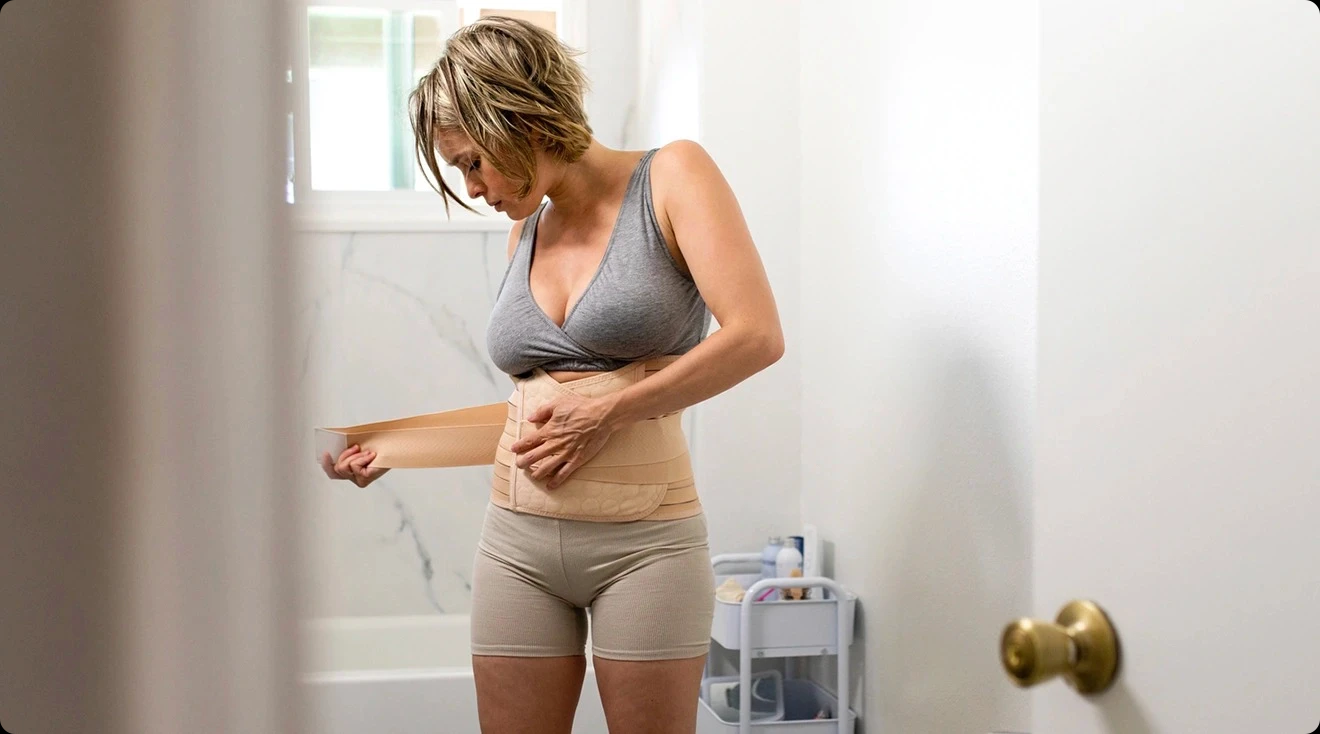
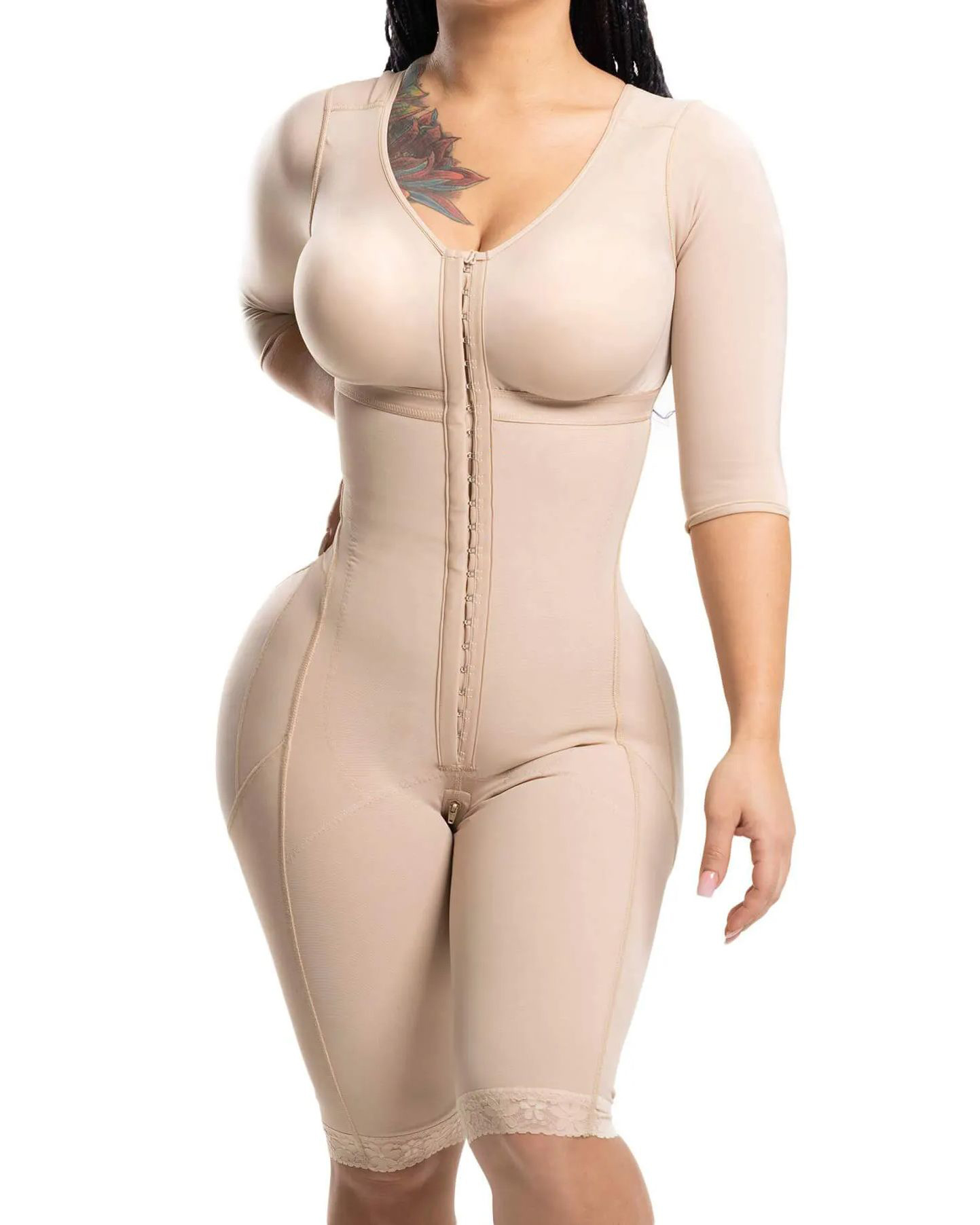
Medical professionals prescribe compression wear to manage swelling, improve blood flow, and support healing after surgeries such as liposuction, tummy tucks, or varicose vein treatments. These garments - Girdles | Fit360 Post-surgical Bra - help prevent blood clots and reduce discomfort, facilitating smoother recovery processes. Hospitals and clinics often recommend specific compression levels based on patient needs.
Adoption is growing as more patients seek non-invasive recovery options. Compliance with medical standards and regulatory guidelines ensures safety and effectiveness, making this use case a vital part of healthcare protocols.
3. Body Contouring and Shaping
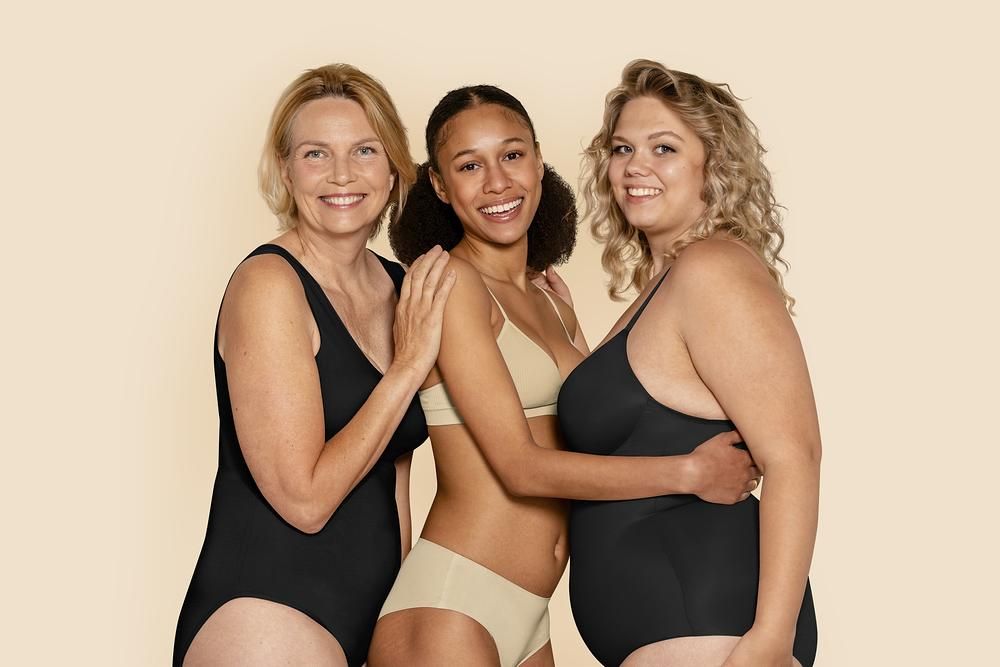
Shapewear is widely used for aesthetic purposes, helping users achieve a smoother silhouette under clothing. From waist cinchers to full-body suits, these garments can instantly enhance body contours. Consumers report increased confidence and improved appearance during special events or daily wear.
_1200x.png?w=1200&h=1500)
4. Everyday Comfort and Support
Many people wear compression garments daily for comfort, especially those with sedentary jobs or standing routines. Compression socks and sleeves help reduce swelling and improve circulation, preventing issues like varicose veins or deep vein thrombosis (DVT). These products are increasingly integrated into workplace wellness programs and health initiatives.
Outcome metrics include reduced leg fatigue and improved comfort during long hours of standing or sitting.
5. Maternity and Postpartum Support
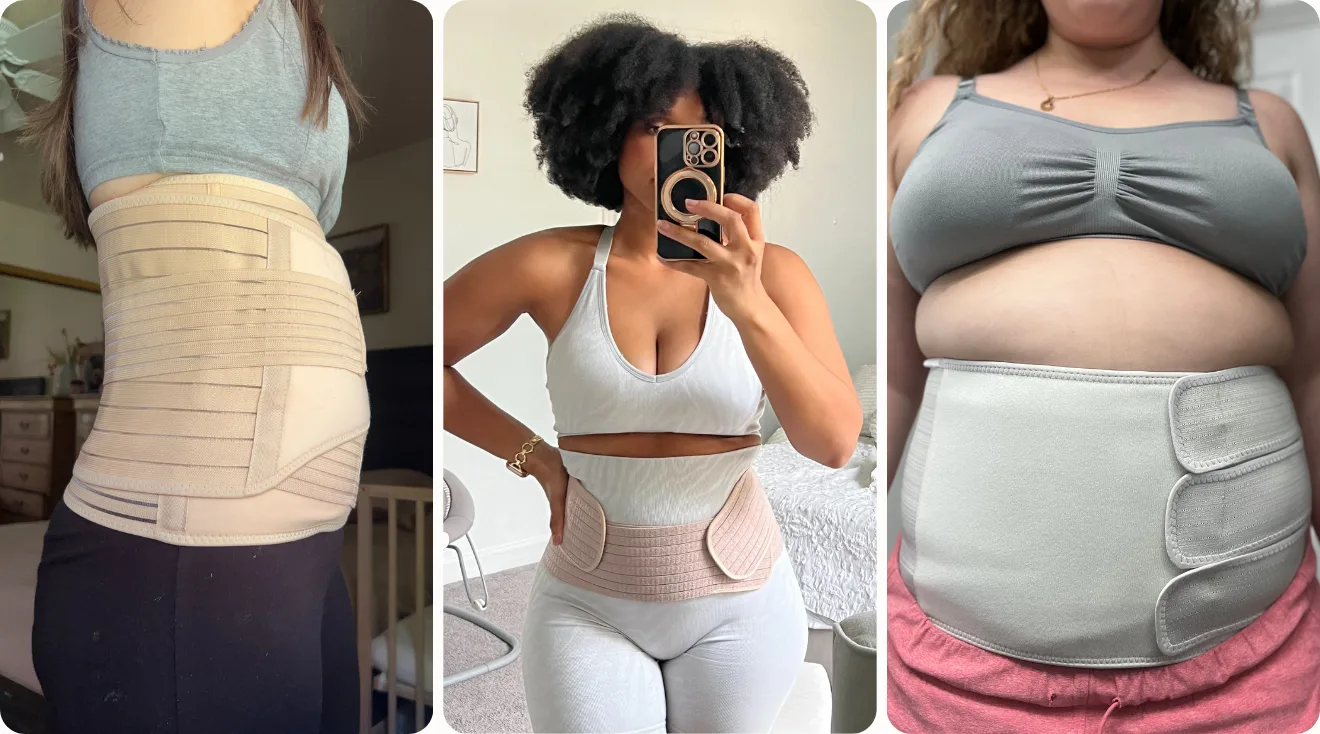
Pregnant women and new mothers use specialized compression wear to alleviate back pain, support the abdomen, and promote circulation. Maternity shapewear provides comfort and confidence during pregnancy, while postpartum compression aids in recovery and body reshaping.
Adoption is rising as awareness of maternal health increases. Medical-grade and consumer brands are developing tailored solutions that meet regulatory standards and user needs, making this a significant application area.
Buyer's Checklist
- What is the primary purpose? Determine if the garment is for athletic support, medical recovery, or aesthetic shaping. Different needs require different compression levels and designs.
What level of compression is needed? Light, moderate, or firm compression? Medical applications often specify exact pressure levels, while fashion may prefer lighter support.- Is the fit comfortable and suitable for long-term wear? Proper sizing and fabric flexibility are crucial for effectiveness and comfort.
| For a comprehensive overview, explore the 2025 Compression Wear And Shapewear overview: → # CurvyFaja |
#CompressionWearAndShapewear #curly #curlygirl #faja #Curvy#Bodysuit